Before there was a restaurant, I had a wine career that spanned decades, including time with the Washington Wine Commission, tasting rooms, retail shops, and consulting. For me, wine was always a way into something bigger, a reason to gather people around a table, and if you were lucky, a wild backstory behind the bottle worth learning. Over time, I became obsessed with those individual backstories, and with making wine feel approachable.
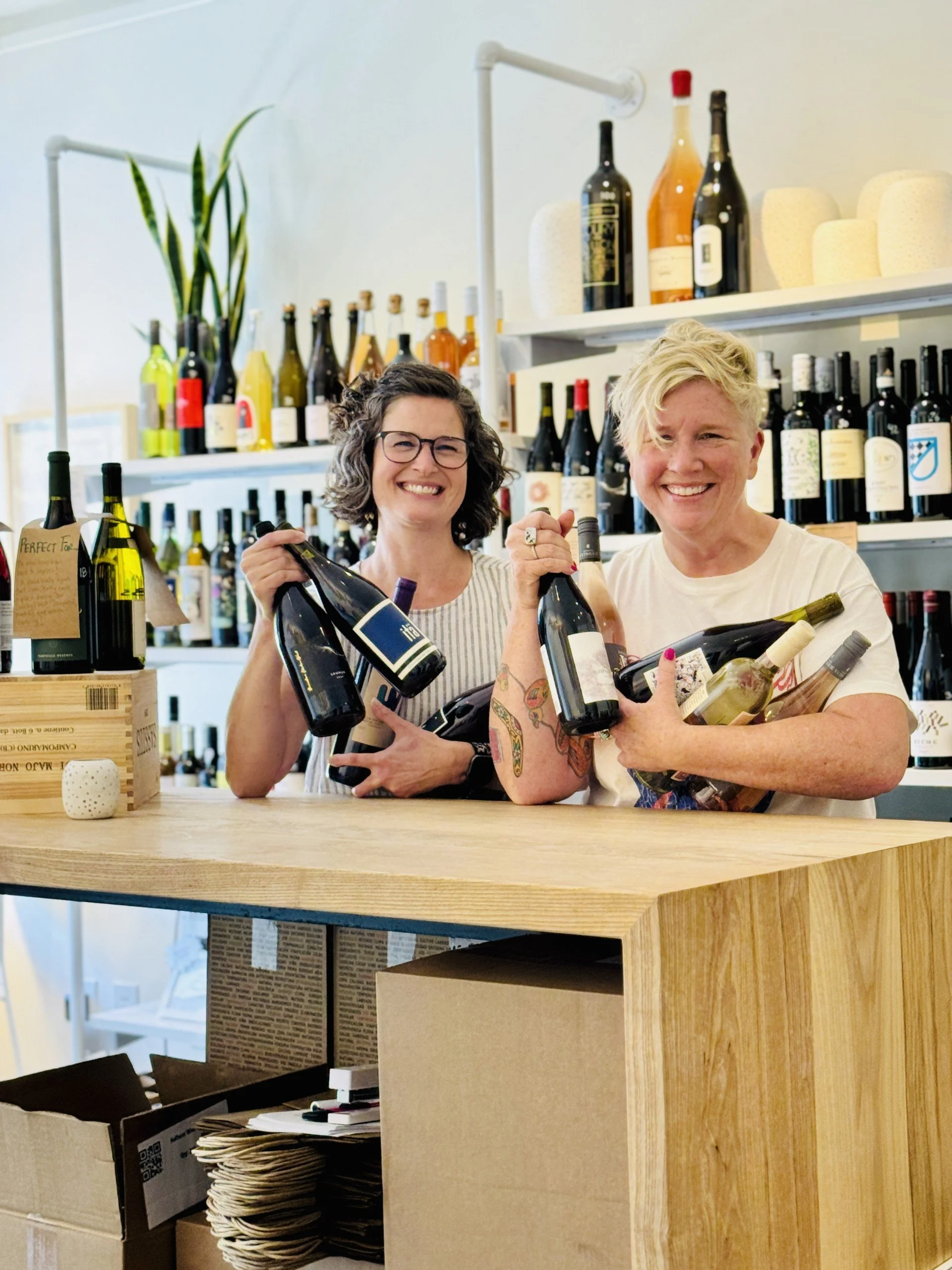
Now that I'm on this side of it, actually running restaurants day to day, I've gotten to watch that same instinct play out in someone else. I found it in Maggie, our Wine Director, the moment we started working together. We've been lucky to have her alongside us for the last three years, and I'm continually inspired by how she thinks about picking wines for our two locations in Ballard.
With harvest starting globally in varying degrees we couldn’t think of a better time to give a shout out to the makers, growers and pull back the veil on all the ways Maggie curates our monthly club.
For the small, family-run wineries we work with, this time of year is not calm. It's early mornings, unpredictable weather, and decisions that can't wait a day, all riding on a crop that took a full year to get here. Farming and winemaking are not for the faint of heart, and every bottle we bring in from a small producer is the result of someone betting everything on this season going right. When you buy from them through us, you're not just buying wine, you're backing a person who staked a year of work on it.
None of it…the wine club, the bottle list, the glass pours, works without that harvest going right first. Every week, Maggie tastes through what's coming in from the small producers, importers, and distributors we work with. Some of it becomes a glass pour built around whatever's on the menu that season, some rounds out the bottle list with more variety and regional range, and some becomes exactly what the club needs that month. From here on, though, we're zooming in on just the club: how a month actually comes together, and why the strangest bottle in the box is sometimes the best one.
How a Theme Actually Gets Built
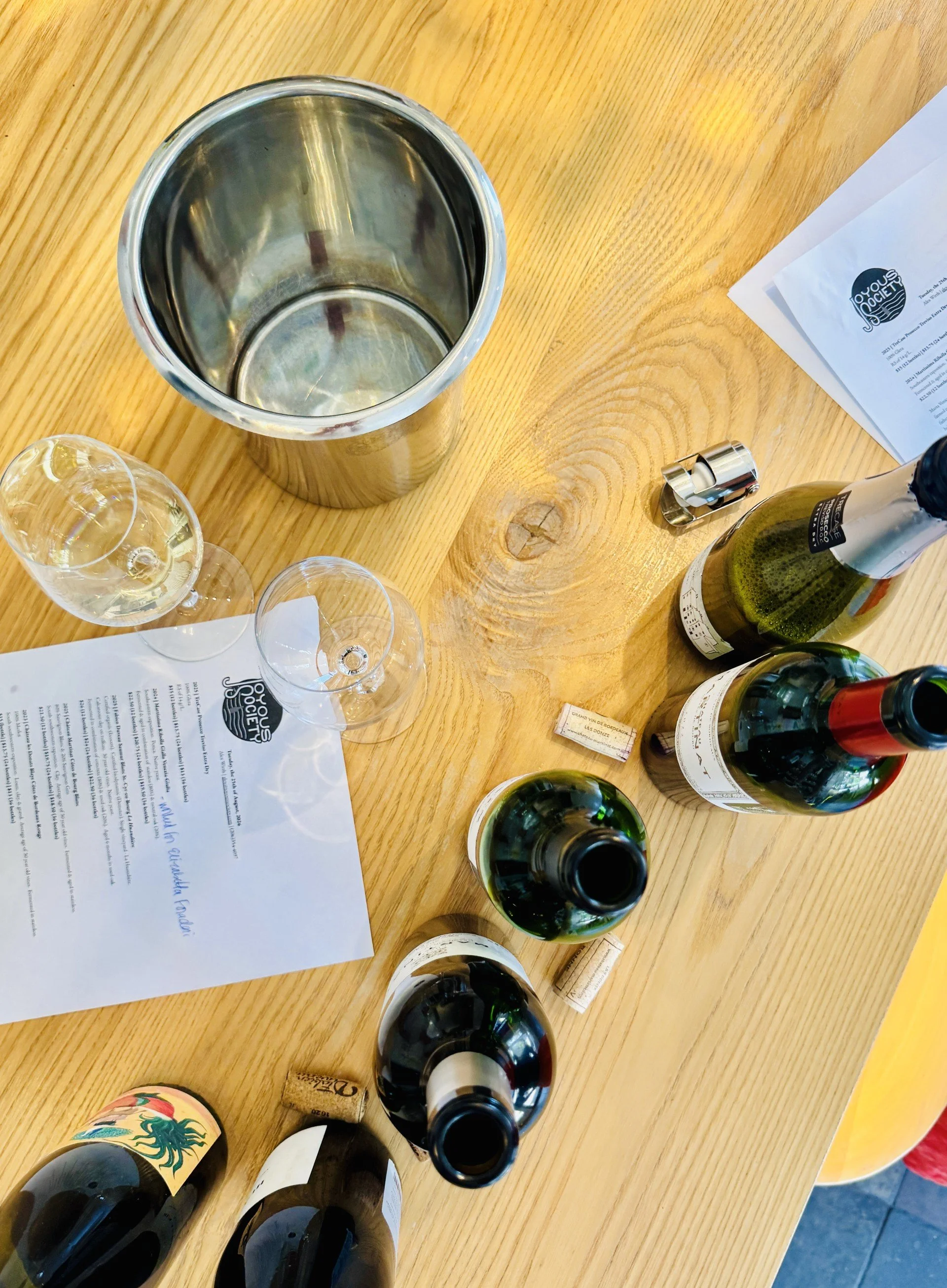
A lot happens before the wine reaches your hands, and most of it happens quietly enough that you'd never guess it from the outside. Every month starts long before the bottles do. Maggie sits down with a running list of what's exciting her right now, a region she can't stop thinking about, a grape she wants people to fall for the way she did, sometimes just a single bottle that won't leave her head and builds the rest of the subscription around it. It's less "pick wines people will like" and more "tell a small story in 3-6 parts."
“I always start with an outline: the theme, a list of items I'm hoping to track down, and whatever educational pieces I want to build in around them. That plan goes out to our distributors along with the theme itself, so they know exactly what I'm searching for. They bring wines from their portfolios that they think could fit, and I taste through them with that plan in hand.
But here's the part I've had to make peace with: the plan is a starting point, not a script. More often than I'd like to admit, I'll taste one wine in that lineup and something just clicks. Suddenly that bottle isn't an option anymore, it's the anchor, and the whole theme reshapes itself around it. I used to fight that a little, but now it's the opposite. It means I was paying attention. The wine is telling me something, and my job is to listen and let the inspiration reveal itself rather than force it into the box I originally drew.
Through all of it, our members are in the room with me, even when they're not. I'm thinking about the conversations we've had at tastings, the way someone's face changes when they try a style they didn't expect to love. That's the conversation I want to keep having with people, and honestly, it's the one that keeps me sharp too. Building a theme isn't just curating for you, it's staying curious enough to keep being surprised myself.” — Maggie, Wine Director
That obsession with staying curious is exactly why I trust her with this club, the same instinct I fell for years ago.
Why the "Weird" Bottle
Sometimes Wins
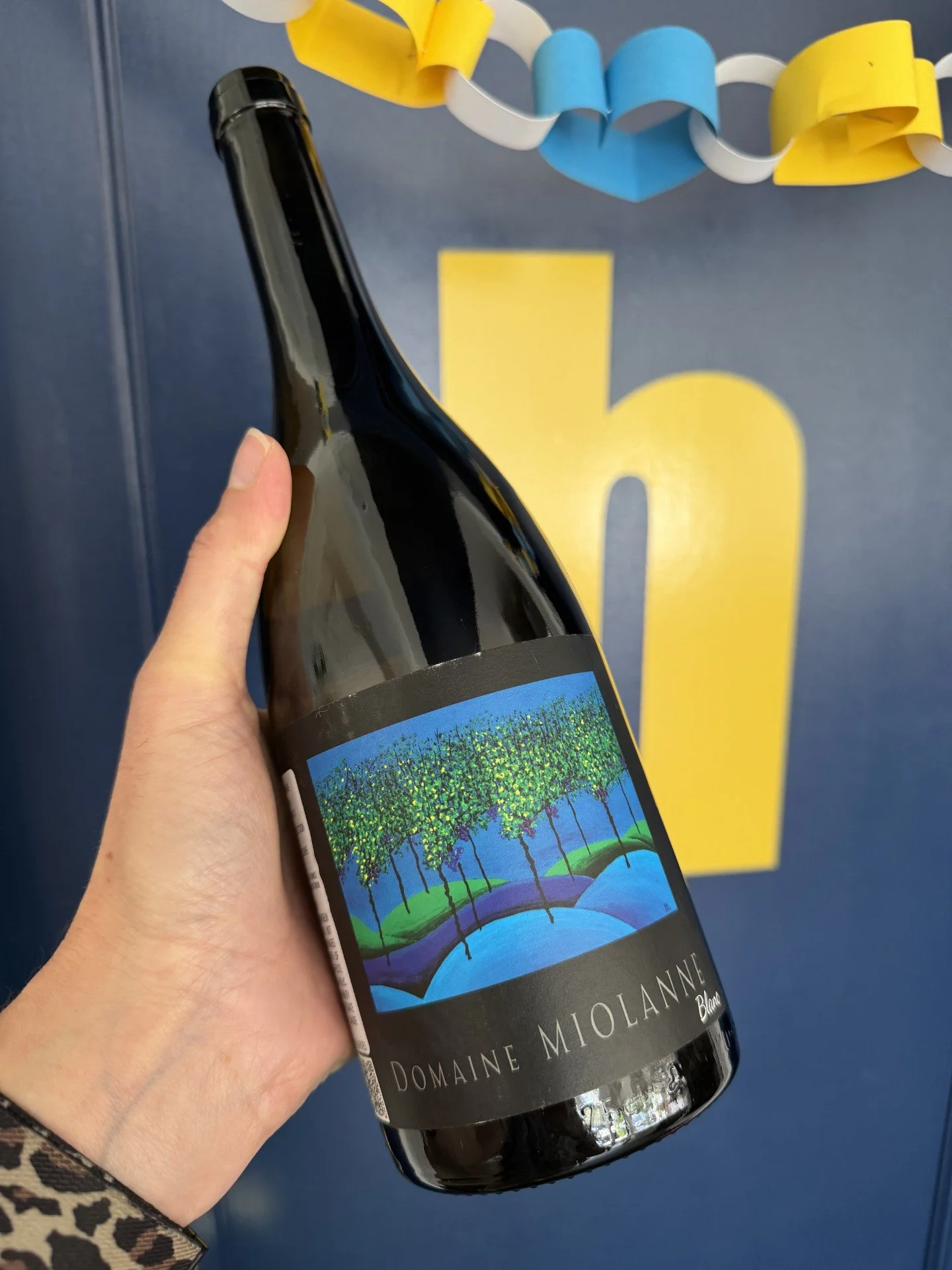
Not every bottle in the monthly allocation is the safe choice, and that's on purpose. Every so often something goes in that doesn't immediately make sense: an odd grape, a producer nobody's heard of, a region that's not fashionable yet, because that's usually where the best story is. It's also how you end up loving something you never would have picked off a shelf yourself. That's the whole point of a club like this: someone else does the research and takes the risk, so you get to just enjoy the discovery.
I asked Maggie for an example of a bottle that felt like a gamble going in but turned into a favorite.
“When I was building the Aromatic collection, I came across the Miolanne Volcane Blanc. It was one of those bottles that made the theme ‘click’ though the blend was so unique, I wondered if it would translate well. It comes from a tiny estate at the foot of the Auvergne volcanoes in central France, run by Laure Cartier and Jean-Baptiste Deroche, who farm about ten hectares organically on literal volcanic soil, ash and pumice from an old eruption of the Sancy massif. The unusual blend of chardonnay and pinot gris grows right alongside gewurztraminer, so you get this meeting of a Burgundian grape and an Alsatian one in the same glass, on distinct soil.
I knew going in that aromatic natural wine from a volcano you've never heard of was a harder sell than a crowd-pleasing chardonnay. But that's exactly why I wanted to bring it in. This is the kind of bottle that teaches people something, that there's a whole world of small, obsessive producers working sites most of us will visit only through a wine glass, and that terroir is something you can genuinely taste. It's fresh, a little spicy on the finish, and it's become one of those bottles members bring up months later. That's the gamble paying off, not just "did they like it," but "did it change how they think about wine.”— Maggie, Wine Director
That's the kind of risk I want her taking on our behalf. It's easy to fill a collection with crowd-pleasers; it's much harder to fill it with something that asks people to trust you.
The "Club" Was Never Just About the Bottles
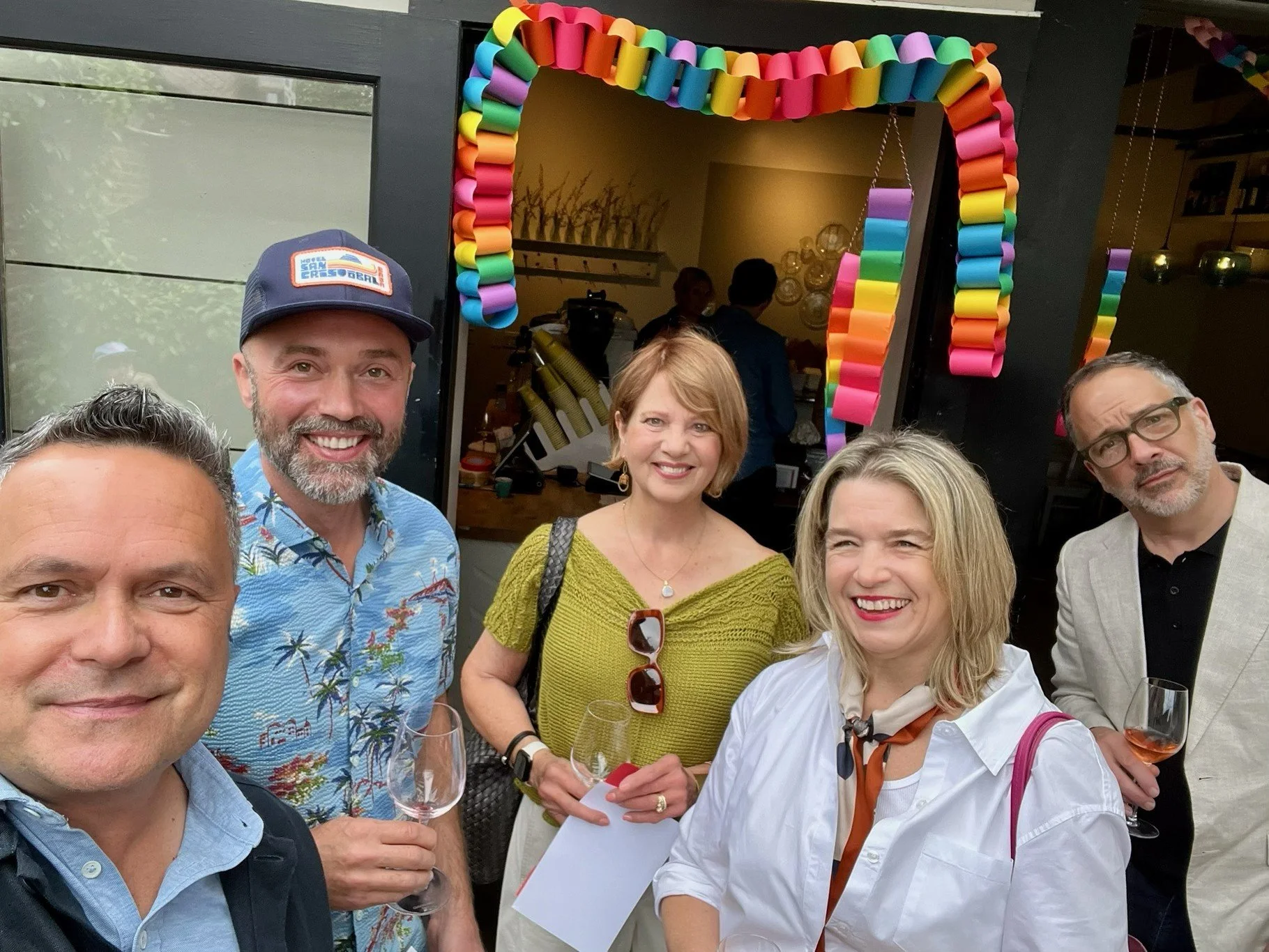
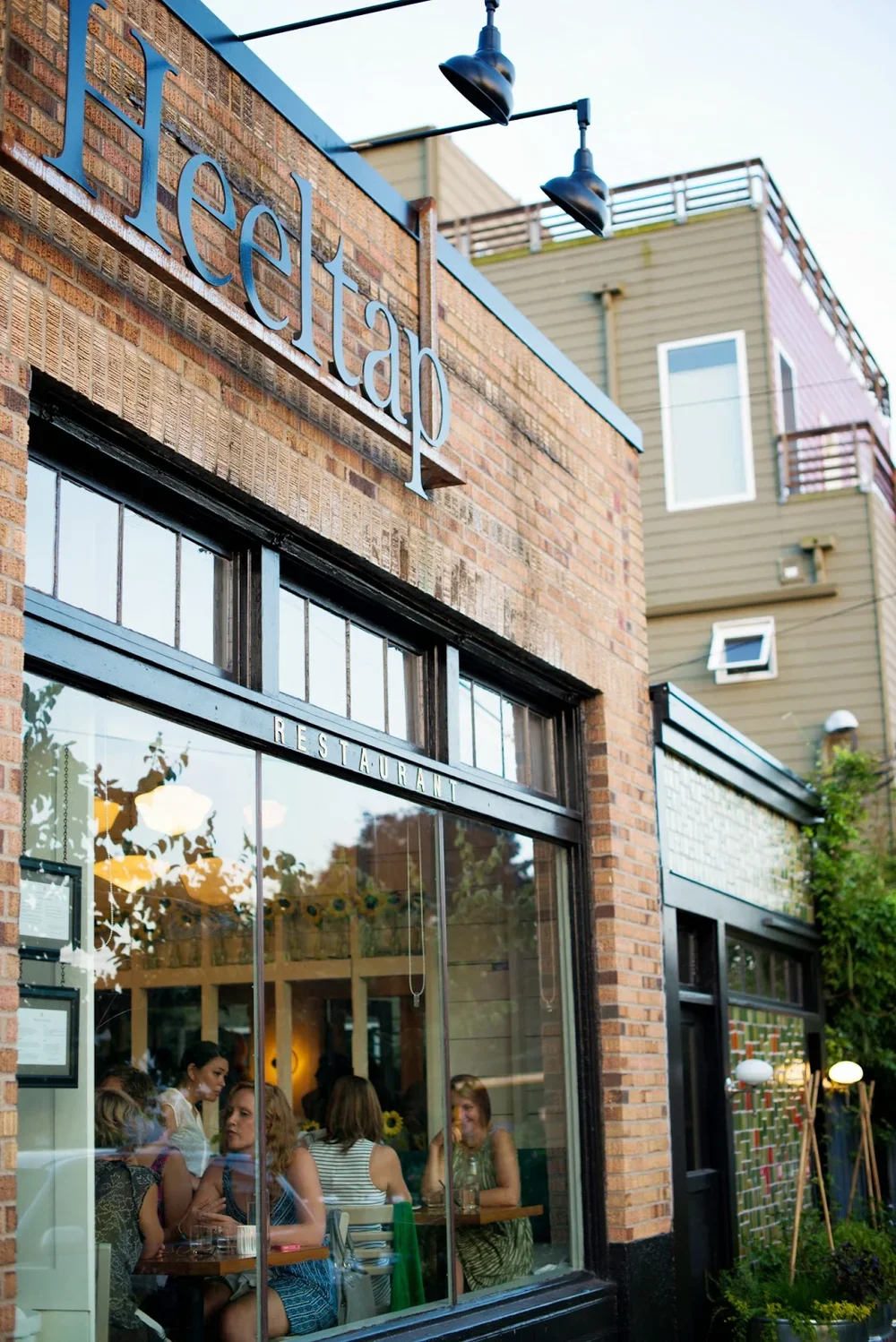
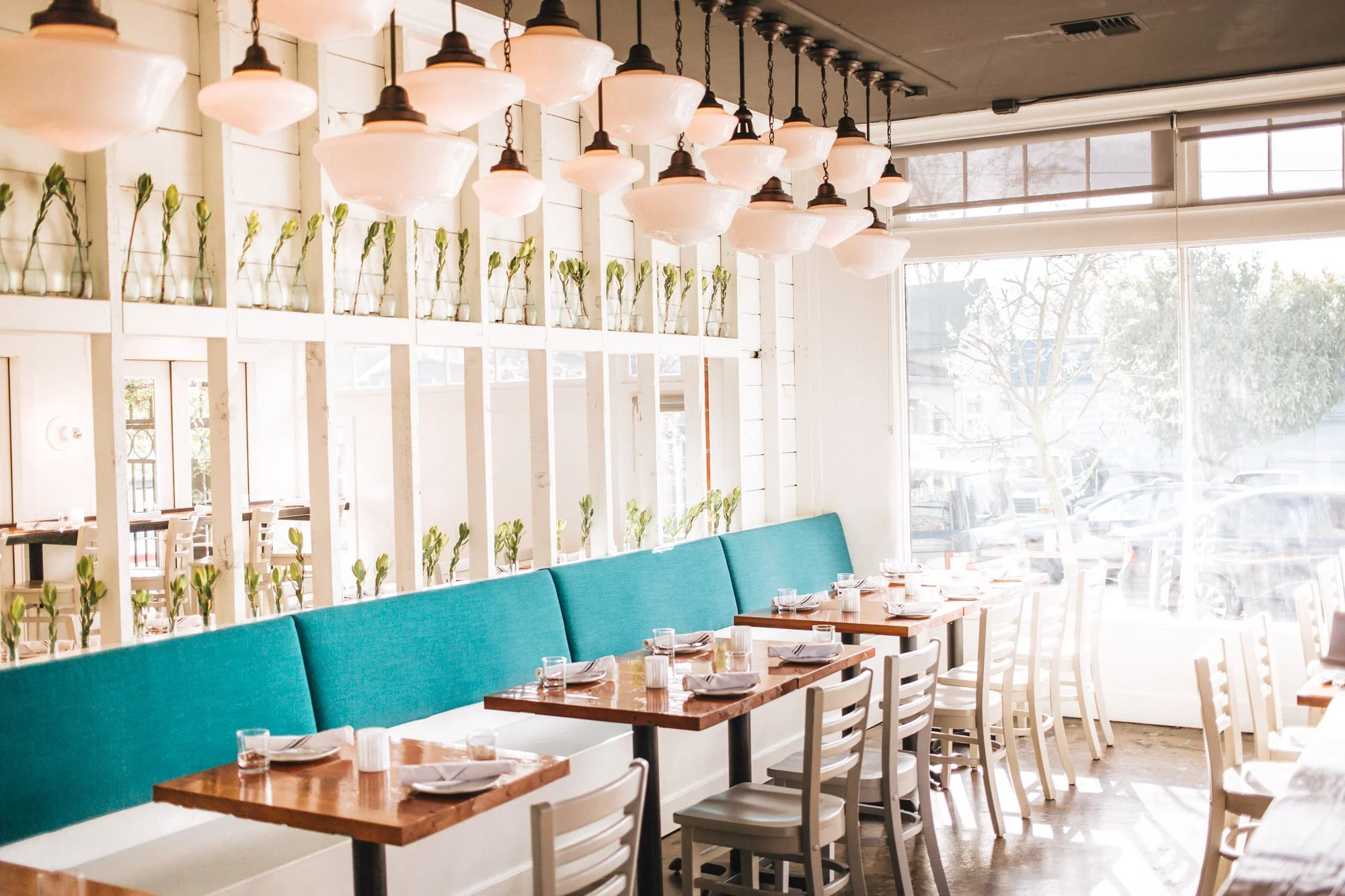
If you strip away the wine for a second, what we're actually building is a reason for people to stay connected. The tastings, the pairings, the events happening across Halfseas, Brimmer & Heeltap, and Red Arrow throughout the seasons … all of it is meant to give this stretch of the neighborhood a pulse. We've heard from members that even the events they can't make it to still mean something, just knowing something's happening down the block has a way of making a place feel alive.
And every once in a while, we get proof the club is doing exactly what we hoped. One member recently wrote in to tell us she was visiting a friend, spotted a bottle on the counter, and realized she recognized it — she'd tried it first in one of our tastings months earlier. That's the whole thing working as intended: a taste finding its way into your life without you even trying to memorize it.
I asked Maggie what that connection looks like from her side of the table.
“This is truly the best part — the club member engagement and shared excitement. It also becomes a personal challenge when a member mentions, "I don't like ____________." The next month I will absolutely have wine in the lineup to hopefully prove them wrong.
It's a launching point into a new category, style, or region. It's not only about the wine, it's a snapshot of the region, culture, and passion. For example, the Lini Lambrusco was in the July club. Many members had never heard of or tried sparkling red wine! A perfect example of having a sense of place — Emilia-Romagna is Italy's culinary heartland, famous for indulgent staples like Parmigiano-Reggiano, prosciutto di Parma, and balsamic vinegar, paired with easygoing, food-friendly wines like Lambrusco that are built to cut through all that richness.” — Maggie, Wine Director
That's the thing I keep coming back to: she's not just building a monthly wine subscription, she's building an ongoing conversation with the people who open it.
Come Taste It Yourself
This is what 3 or 6 bottles a month has always meant to us: real research, real relationships with vendors and especially growers who put everything into this season, real tastings, and a standing invitation to walk through our doors any time you want to. If you've been curious about the club, or you're already in it and just wanted to see what goes on behind the scenes, we're glad you're here for it.
This is exactly why I fell for wine all those years ago — the stories, the discovery, the reasons to gather. Getting to watch Maggie build a version of that for this neighborhood, one month at a time, never gets old. Thanks for reading all the way down here, and we hope to see you at pickup soon.